Meet Your Therapists
Eight practitioners, each with their own story and tradition, stationed across the globe so someone is always here for you.
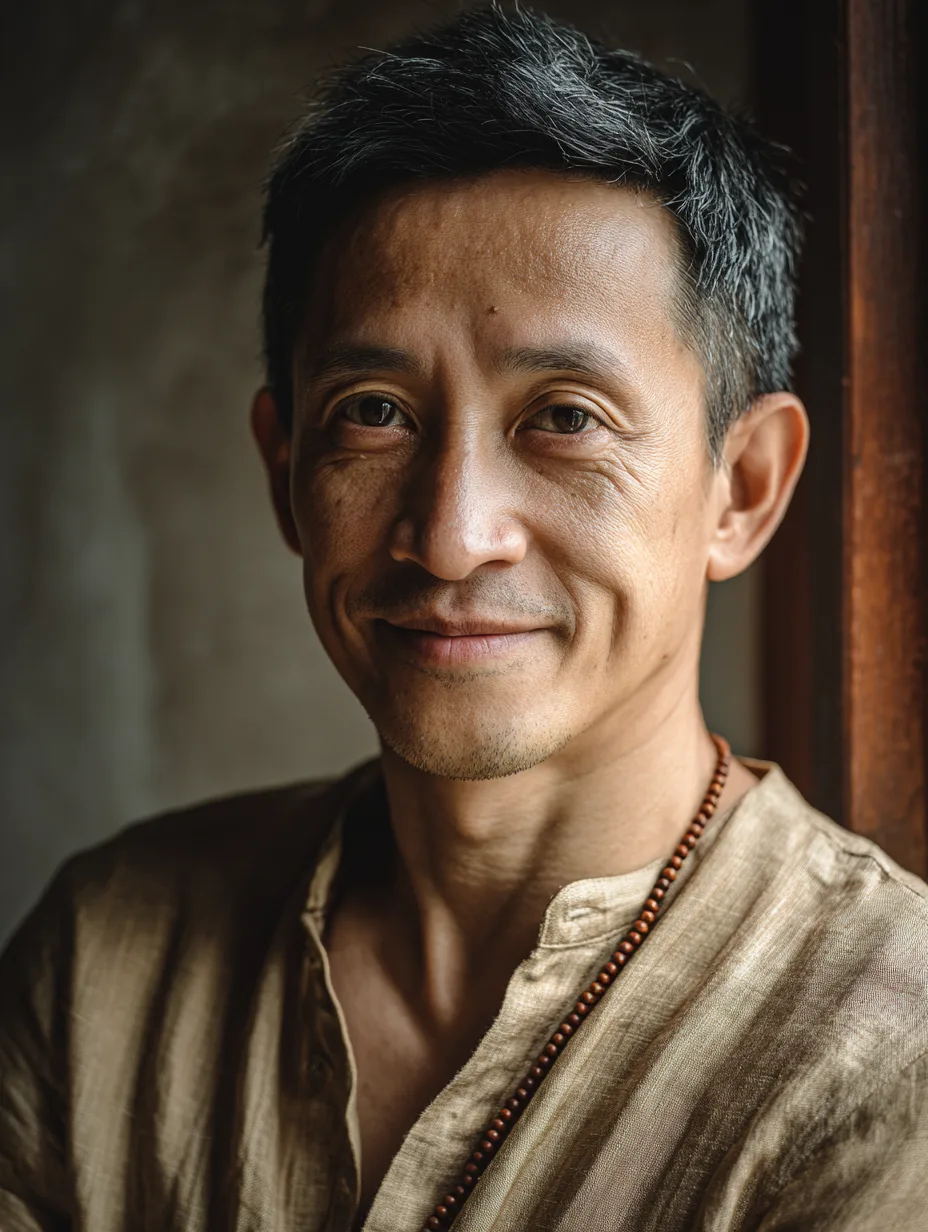
Somchai Rattanakorn
Mindfulness Guide
Chiang Mai, Thailand
Anxiety · Stress · Mindfulness
Theravāda · Thai Forest · MBSR + Satipaṭṭhāna
Ordained at 19, Chai spent 12 years as a forest monk in Northern Thailand before returning to lay life. He brings the profound stillness of the forest tradition into therapeutic practice, weaving ancient Satipaṭṭhāna meditation with clinical mindfulness.
"The mind, like water, finds its own level when we stop stirring it."
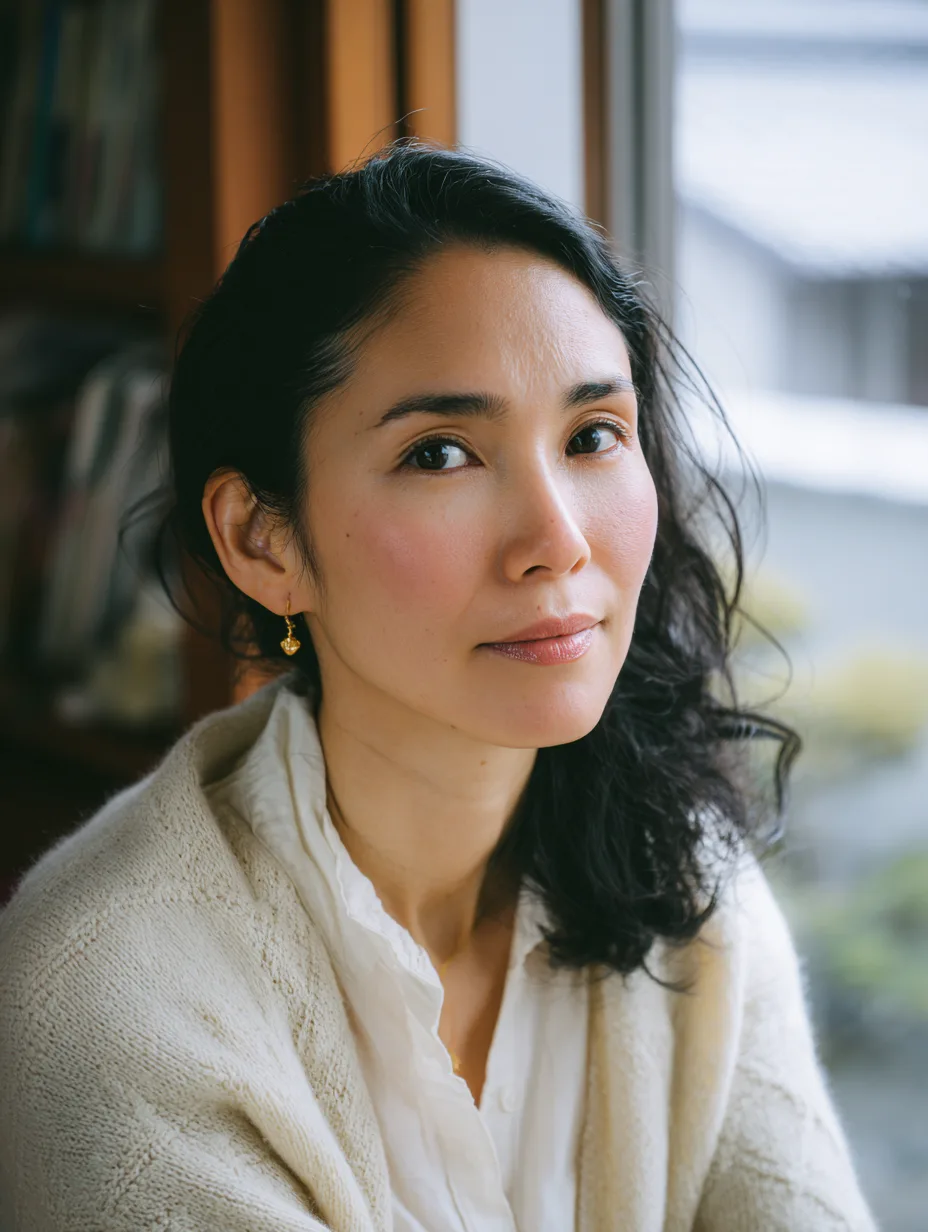
Maya Ishikawa
Relationship Counselor
Kyoto, Japan
Relationships · Communication · Self-Discovery
Rinzai Zen · ACT + Zen Dialogue
Third-generation in a Kyoto temple family, Maya grew up sweeping monastery gardens at dawn. She studied psychology at Kyoto University before weaving her Zen inheritance into Acceptance & Commitment Therapy — cutting through confusion with compassionate directness.
"Before you can truly be with another, you must first learn to sit with yourself."
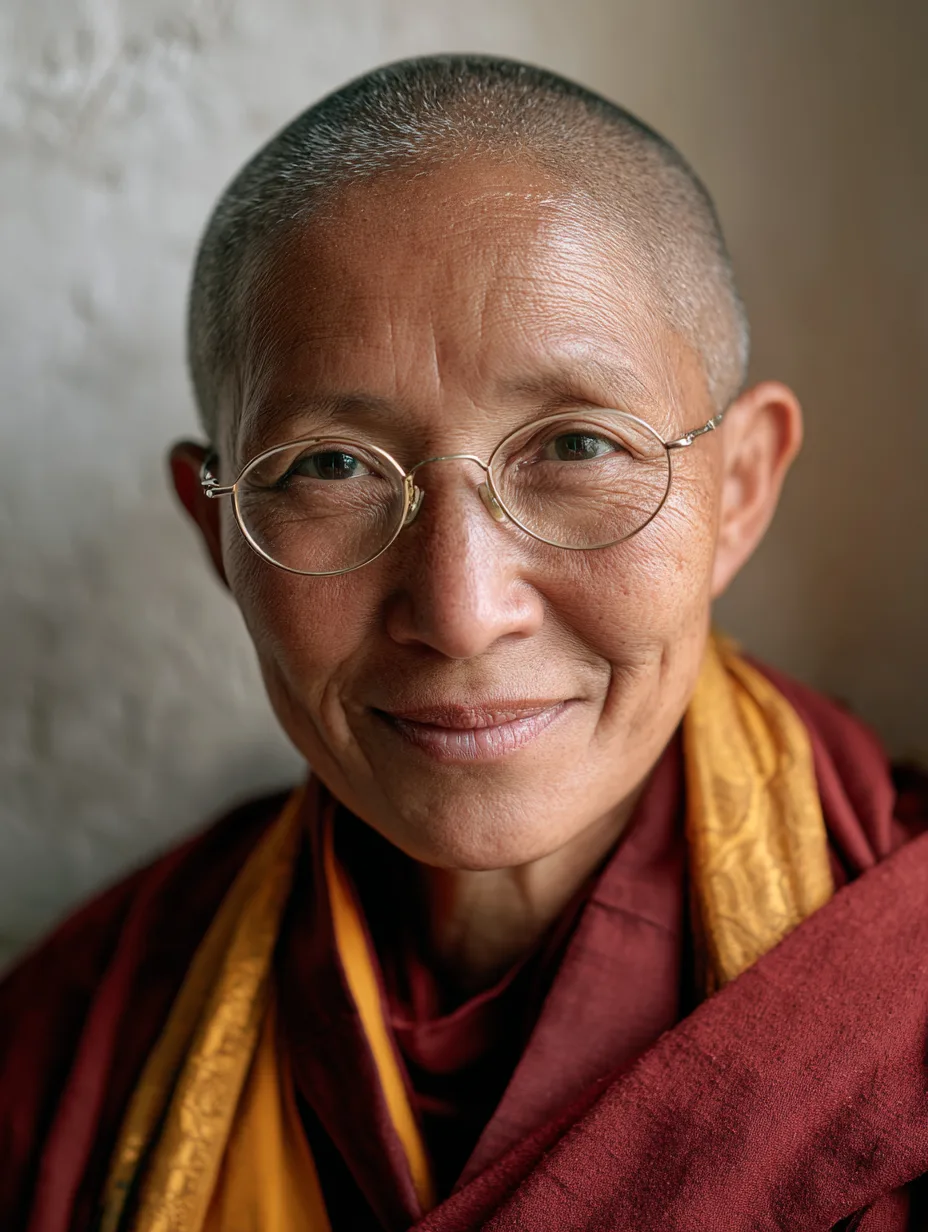
Tenzin Palmo
Trauma Specialist
Dharamsala, India
Trauma · Grief · Loss
Tibetan Vajrayāna · Somatic Experiencing + Tonglen
Born in Ladakh, Tenzin discovered her calling after volunteering with Tibetan refugees. She trained in Somatic Experiencing in Zurich, then returned to Dharamsala to combine Tonglen compassion meditation with body-based trauma therapy — transforming suffering into wisdom.
"Your pain is not a punishment. It is a teacher waiting to be heard."
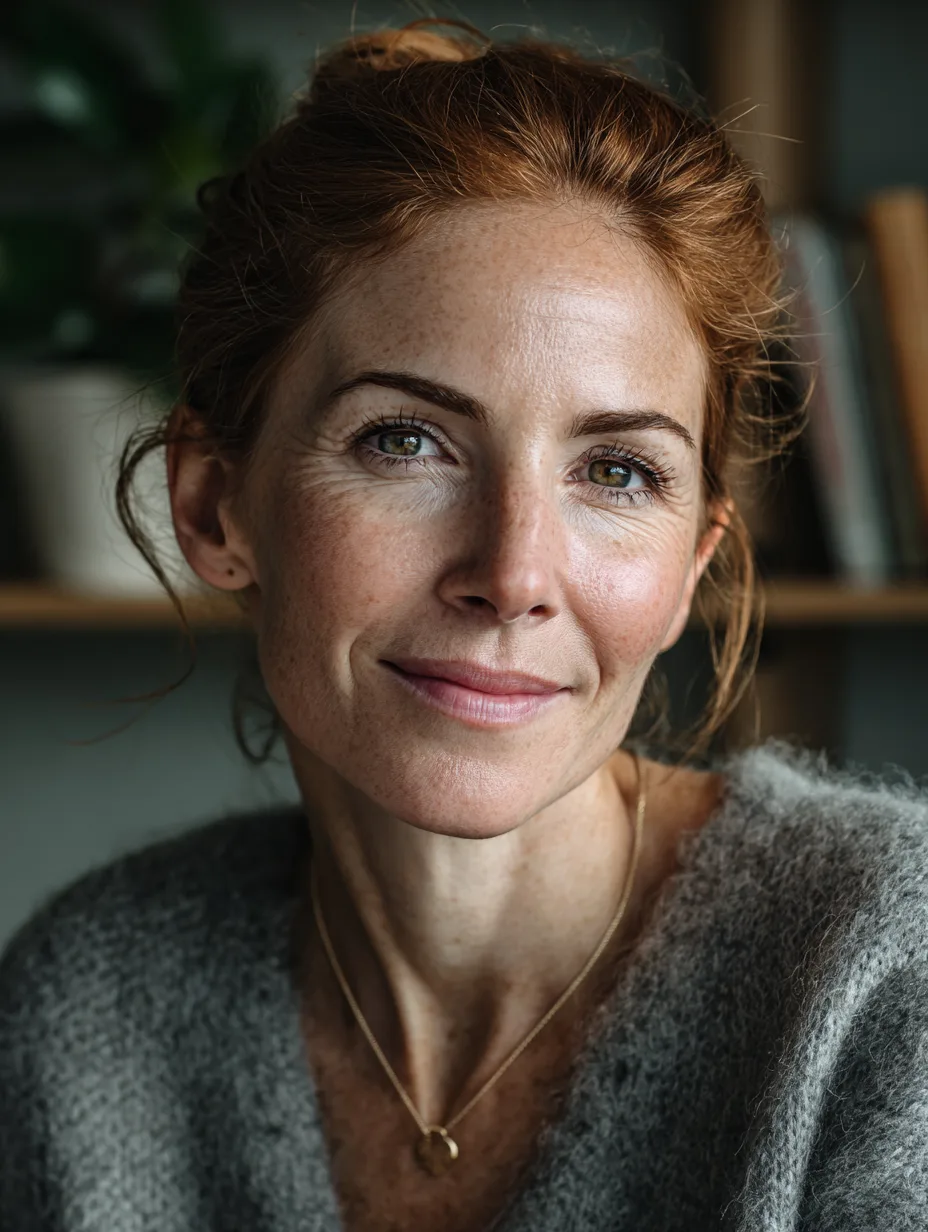
Dr. Nora Callahan
Clinical Psychologist
San Francisco, USA
Depression · Life Transitions · Attachment
Integrative · Secular Buddhist · CBT + Attachment Theory + Four Noble Truths
A Stanford-trained psychologist, Nora found Buddhism at 35 during her own battle with depression. That crisis became her greatest teacher. She bridges Western attachment theory and the Four Noble Truths with warmth and precision — meeting suffering with both science and soul.
"There is no darkness so deep that understanding cannot reach it."
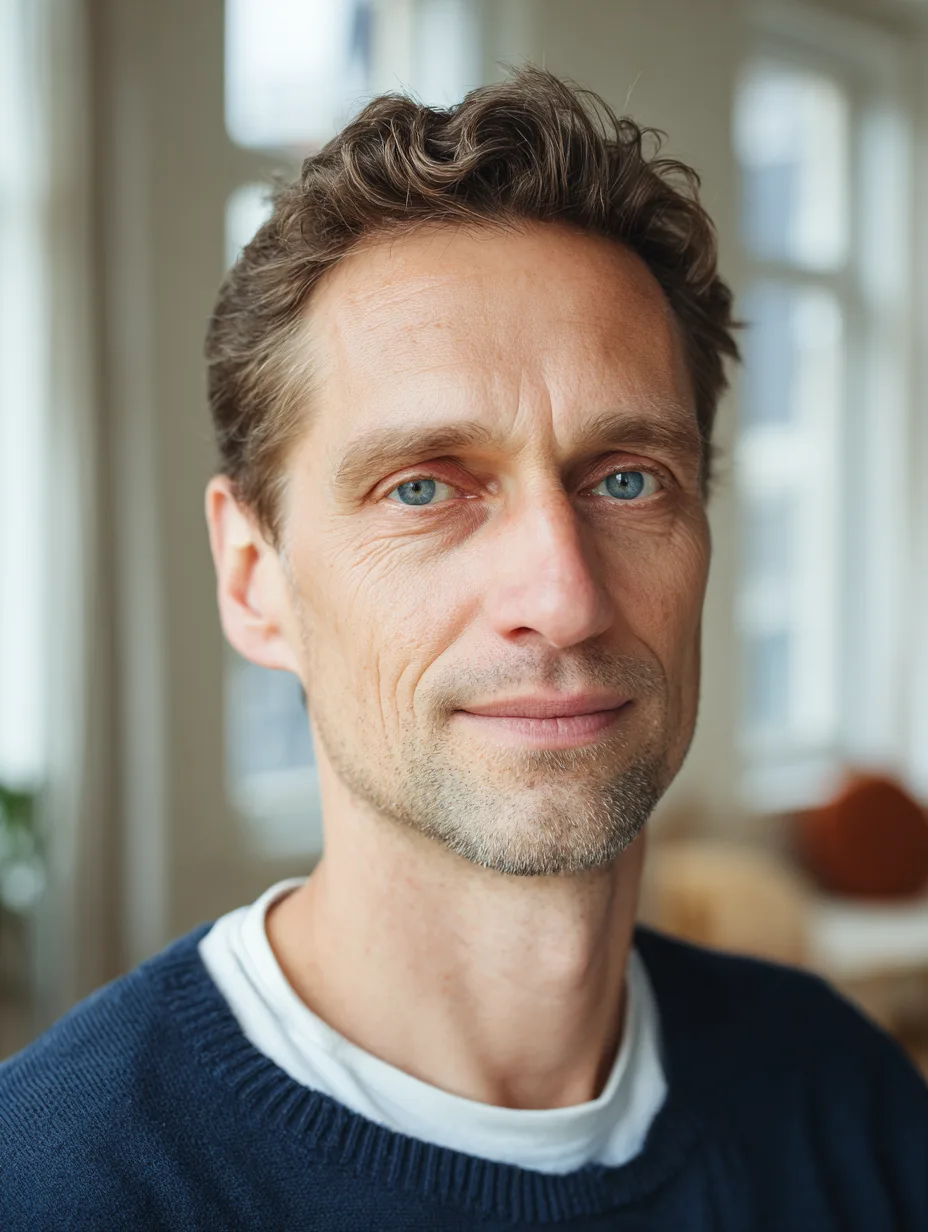
Kris van der Berg
Emotional Wellness Guide
Amsterdam, Netherlands
Anger · Emotional Regulation · Self-Compassion
Thai Forest · Western Adaptation · DBT + Mettā Meditation
Born and raised in Amsterdam, Kris found Buddhism through a yoga retreat at 22 and was ordained as Ajahn Karuṇā in Thailand at 27. After a decade as a monk, he returned to the Netherlands to found a meditation center — blending Dialectical Behavior Therapy with loving-kindness practice.
"Anger is a fire that burns the one who holds it. Let us learn to set it down together."
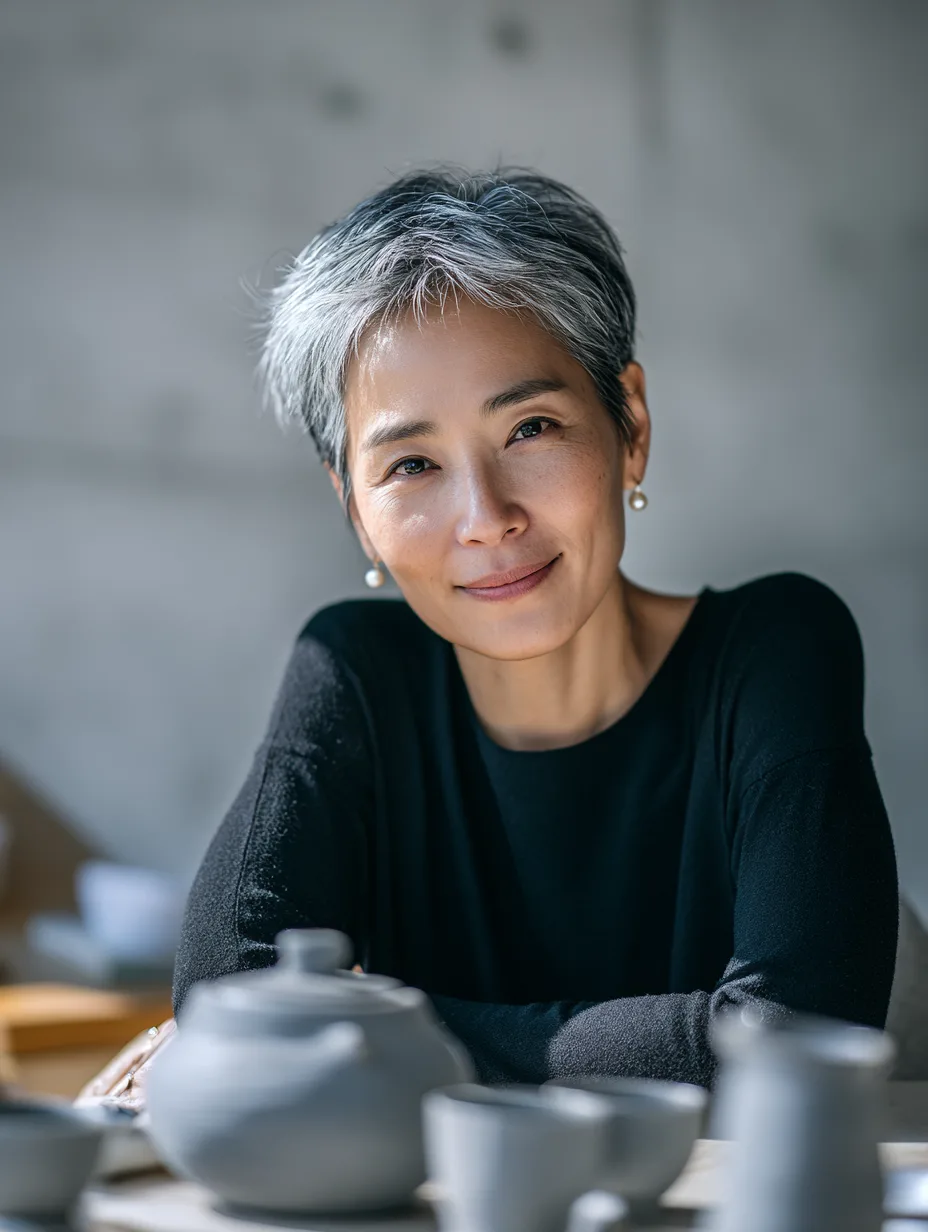
Dr. Myung M. Chun
Mindfulness Psychologist
Seoul, South Korea
Perfectionism · Burnout · Self-Criticism
Korean Seon (Zen) · Compassion-Focused Therapy + Seon Practice
Trained as a clinical psychologist at Yonsei University, Myung discovered Seon Buddhism during a burnout crisis in her early thirties. She now combines Compassion-Focused Therapy with the radical simplicity of Korean Zen — helping high-achievers find peace without sacrificing purpose.
"You do not need to be fixed. You need to be met — exactly as you are."
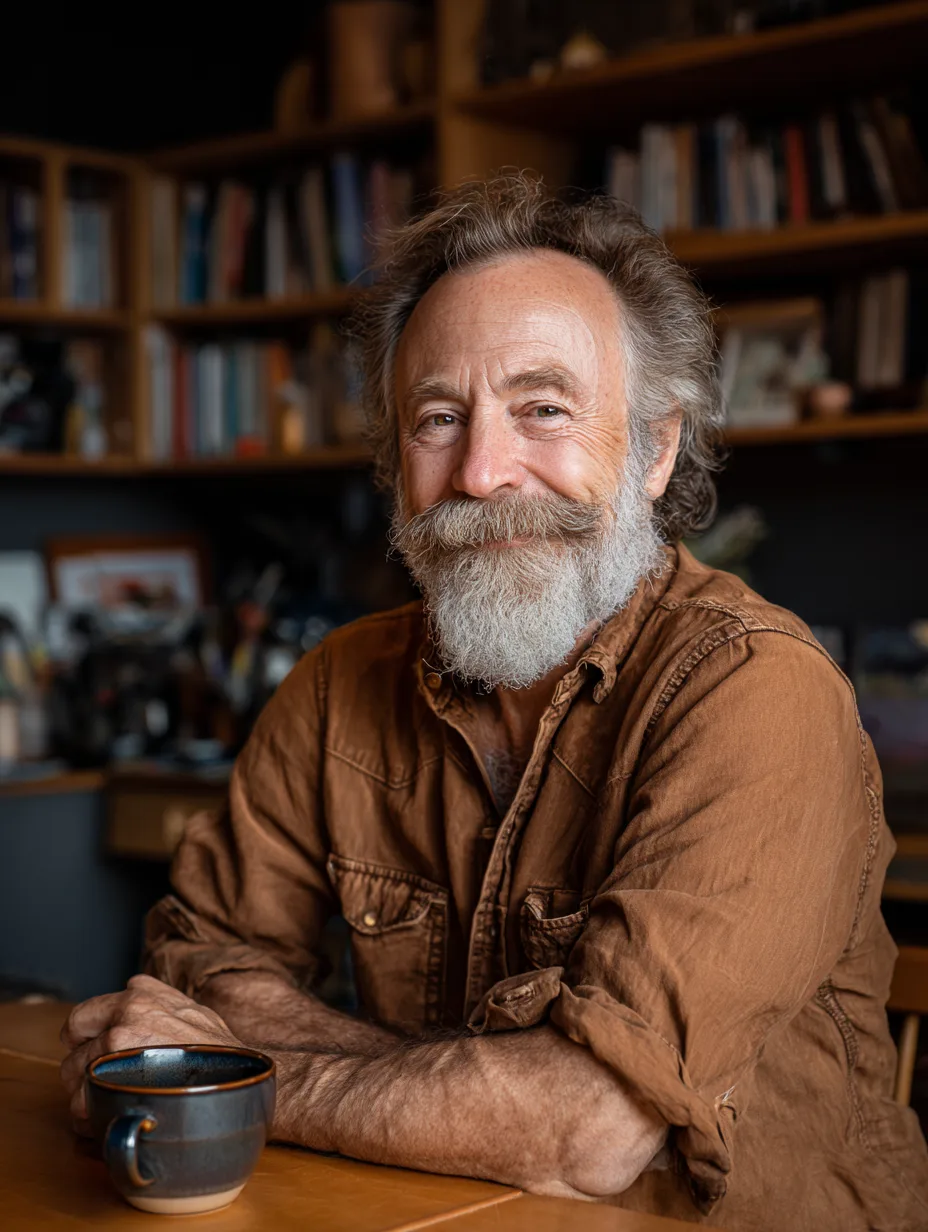
Gil Sheehan
Philosophical Counselor
Boulder, Colorado
Existential Anxiety · Overthinking · Life Meaning
Western Zen · Philosophical Buddhism · Existential Therapy + Socratic Dialogue + Zen
A former philosophy professor at Naropa University, Gil discovered Buddhism through Alan Watts at 16. After studying Zen in Kyoto and existential therapy in Vienna, he developed an approach that makes the profound accessible — helping overthinkers find peace through clarity, not escape.
"The problem isn't that you think too much. It's that you take your thoughts too seriously."
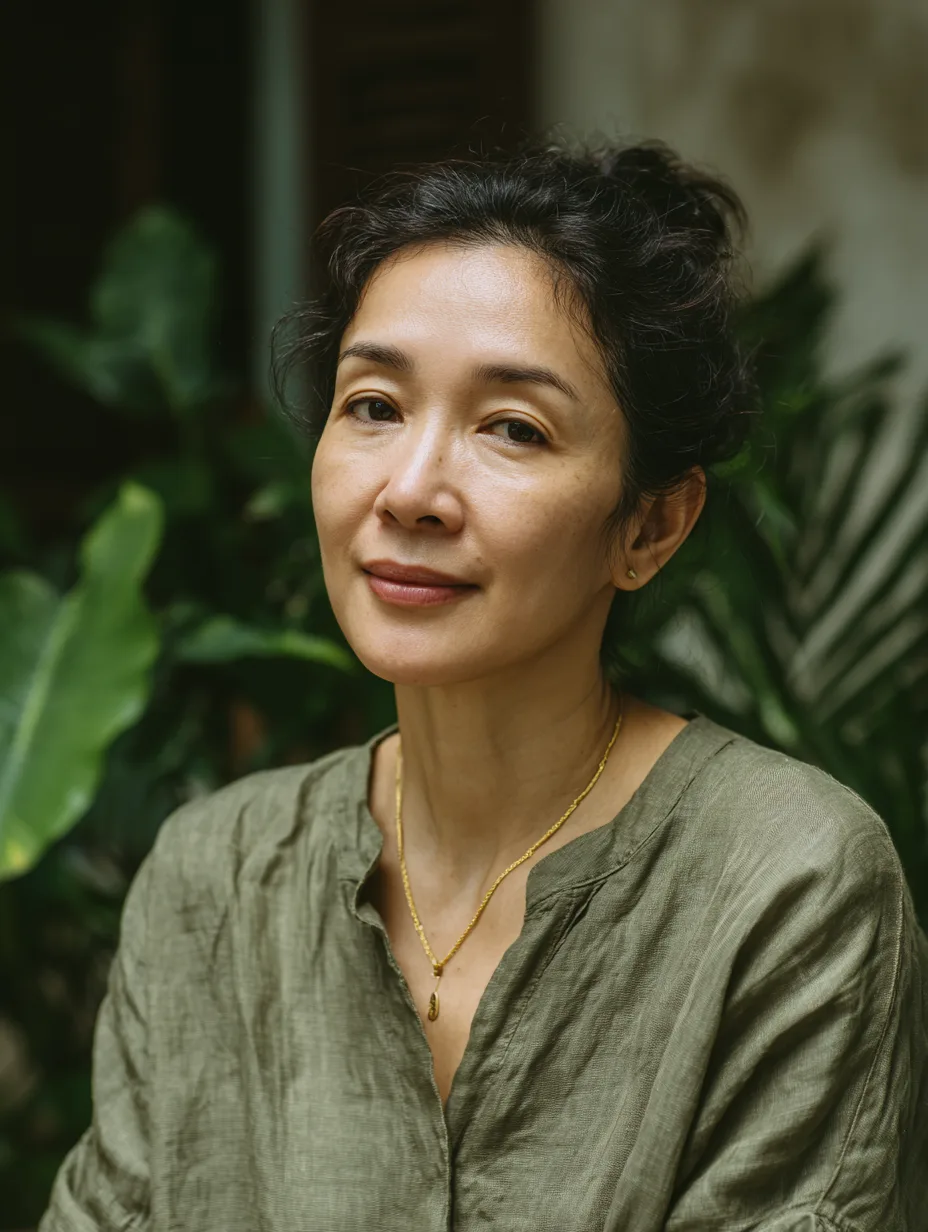
Albertine R. Nguyen
Mindful Living Counselor
Hanoi, Vietnam
Loneliness · Belonging · Disconnection
Vietnamese Zen · Plum Village · Interpersonal Therapy + Interbeing Practice
Born in Paris to Vietnamese parents who fled Saigon in 1975, Albertine grew up between two worlds. She found her center at Plum Village under Thich Nhat Hanh's guidance, and now brings the practice of interbeing — the understanding that we are never truly alone — to clients struggling with disconnection and loneliness.
"You are not separate from the world. The world is not separate from you. This is where healing begins."